
Documents & customs
The paperwork that gets cargo across the border.
Customs authorities need to know what is in the box, what it is worth and who is responsible for it. Accurate documents are the difference between smooth clearance and a held shipment.
- Core set
- Invoice + packing list
- Personal
- ID may be required
- Rule
- Declare accurately
Core documents
What most shipments need
Commercial invoice
Describes the goods, quantity, unit value, total value, and the terms of sale. Required for almost every international shipment.
Packing list
Lists each package and its contents, weight and dimensions so inspectors can match cargo to paperwork.
Transport document
The air waybill, bill of lading or road consignment note. Our agency prepares this with you.
Sometimes required
Depending on what you ship
Certificates
- Certificate of origin for preferential duty
- Health or phytosanitary certificates for food and plants
- Product conformity certificates for electronics
Permits and licences
Some goods need an import or export licence. Check requirements for the destination country before booking.
Personal shipments
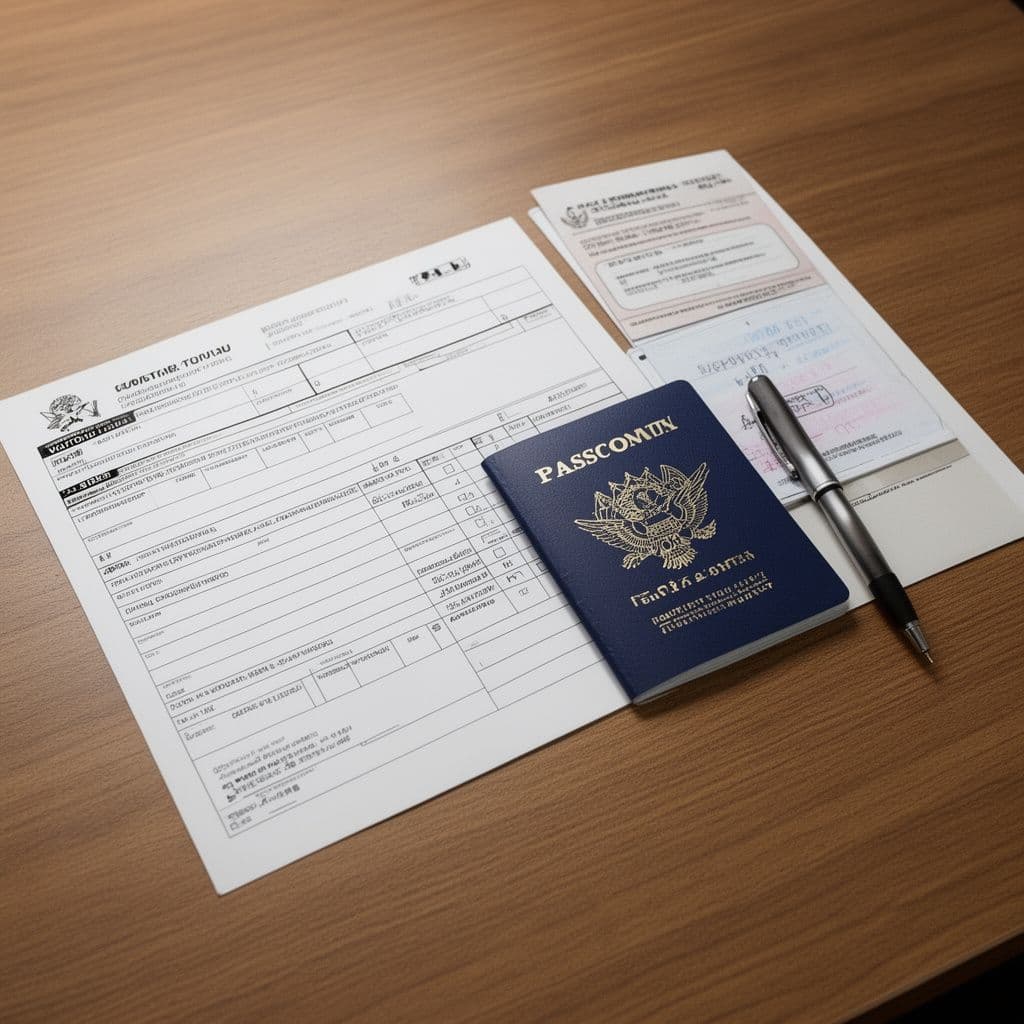
Gifts and personal effects may need a signed declaration, ID copy, and a clear statement that goods are not for resale.

Duties and taxes
Who pays at the border
Import duties and VAT
The destination country may charge duties and taxes based on value, type of goods and origin.
Agree it in advance
Decide whether sender or receiver pays duties. Clear agreement avoids shipments being held at the border.
Declare honestly
Under-declaring value or mislabelling contents can lead to fines, seizure and long delays.

Questions
Good to know.
Can your agency prepare the documents?
We guide you through each document and check them before dispatch. You remain responsible for the accuracy of the information.
What happens if documents are missing?
Shipments can be held at customs until the documents are provided, which causes delays and sometimes storage fees.